By Dr Julia Sagebien, retired professor Dalhousie and Puerto Rico Universities
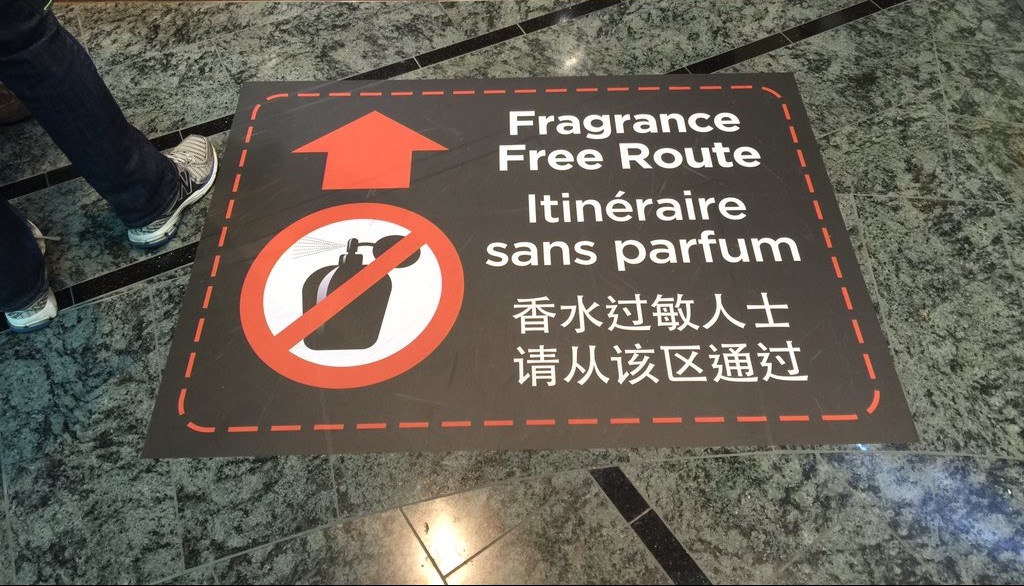
Leading Change by the Nose in Scent-Free Nova Scotia
There are really two main seasons in Nova Scotia: freeze and sneeze. The freeze part is an olfactory isolation tank. As nature’s vitality recedes into itself, the conversation with your nose, simply stops. As Canadians are fond of reminding me - if nature won’t come to you, you go to it. Trudging through the woods can lead to whiffs of pine, maple bark, the salty fishy smell of the small harbors, all served in a blanket of very gently odiferous snow. In the city, the smell of wood burning fireplaces and Christmas trees, even the ubiquitous wet dog, are always a blessing. They break the monochromatic blandness of the landscape.
If winter is a palace of solitude, spring, and summer feel like carpet bombing. The breeze becomes saturated with pollen, fresh cut grass, goldenrod dust, and in late summer, ragweed. Your nose and your eyes swell, an unfortunate impediment to renewing one’s olfactory conversations with nature. Allergy pills come in handy. They deliver the relief necessary to revel in the smell of wild roses, rhubarb, cabbages, blueberries, strawberries, honey, and the rest.
Going indoors, whether in winter, spring, summer, or fall, offers a different sort of olfactory challenge. Hundred-year-old wooden houses in wet cold cities have a most unique dull and musty smell: mold. Brick has its own more gravelly-smelling variety. Long-term survival in Nova Scotia and, especially in more densely populated Halifax, depends on you smelling the mold in the walls, the rot under the floor, and humidity of the basement, before you sign the lease or purchase the house.
If winter is a palace of solitude, spring, and summer feel like carpet bombing. The breeze becomes saturated with pollen, fresh cut grass, goldenrod dust, and in late summer, ragweed. Your nose and your eyes swell, an unfortunate impediment to renewing one’s olfactory conversations with nature. Allergy pills come in handy. They deliver the relief necessary to revel in the smell of wild roses, rhubarb, cabbages, blueberries, strawberries, honey, and the rest.
Going indoors, whether in winter, spring, summer, or fall, offers a different sort of olfactory challenge. Hundred-year-old wooden houses in wet cold cities have a most unique dull and musty smell: mold. Brick has its own more gravelly-smelling variety. Long-term survival in Nova Scotia and, especially in more densely populated Halifax, depends on you smelling the mold in the walls, the rot under the floor, and humidity of the basement, before you sign the lease or purchase the house.
Once a norm, a regulation, or a law is established, it is normalized into the social fabric and everyone just goes along, gently nudging each other into a state of synchronized collective policy adherence. Scents, especially perfume, are guilty pleasures permitted only in the privacy of your own home. Like then-Justice Minister Pierre Trudeau remarked when he reformed the Criminal Code in 1967 decriminalizing homosexual acts, “there is no place for the state in the bedrooms of the nation”.
The above discussion would appear to suggest that the books on Nova Scotian’s freedom to wear scents in public and to engage in social intercourse via olfaction – are simply closed. But there are two ‘new’ phenomena that could provide silver linings on this scentless dark cloud: COVID related anosmia and social media aggravated depression and its associated attention deficit disorder.
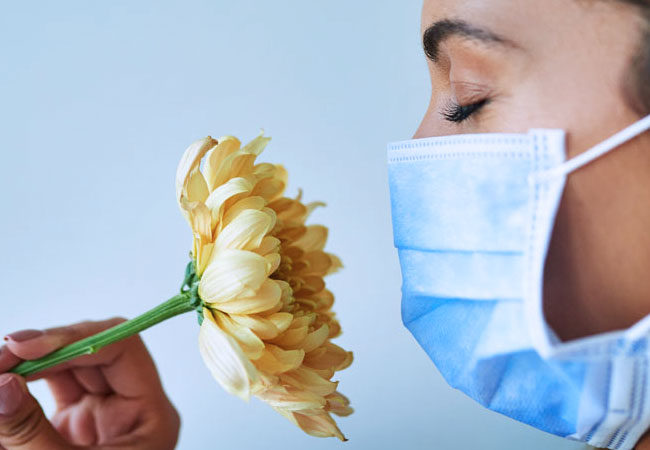
The incidence of mild or severe anosmia associated with COVID is has spurred much more sophisticated discussions of how olfaction actually works, as well as a much finer discernment of what scents, odours, and fragrances wake-up the nose, and which ones simply shut the body down. Until COVID made it fashionable to explore, an impaired sense of smell was just ‘too bad’, period. Help is now more widely accessible.
Currently, the approach to anosmia therapy is primarily medically driven and couched in physio-therapeutical models. It is similar to treating deafness by re-enabling the auditory sensory pathways from the sense organ to the brain, and by reversing physical damage to the organ and the pathways themselves. But there is so much more to a full auditory experience. Even the soundscapes of everyday life are symphonies of complex auditory interactions which can only be truly appreciated by encouraging the patient to pay attention to all of what they actually hear – timber, tone, duration. Once you have trained yourself to hear, to discern the notes and the harmonies, sound becomes alive. And so it can be, for the sense of smell.
Though it is well-known that synthetics are at the root of scent allergies, natural scents, rarely get a chance. In Nova Scotia, the mere detection of an olfactory signal causes suspicion and alarm in the Scent-Free community. Even essential oils are suspect. After all, you can’t tell if the offending substance is real and natural or synthetic until you start sneezing or choking. But what if, in the process of treating the anosmia, an entire set of products enter the world of certification, requiring fabricators of scents to divulge in the product-label if noxious substances and synthetics are contained? Or if the discernment of salutary vs noxious substances becomes as common as the discussion on whether a specific wine contains sulfites, or was grown with organic grapes?
Providing anosmia patients with a more aesthetic understanding of the phenomenal complexity of the olfactory sense organ and its field of cognition, just at the moment when it is being re-trained, provides us ‘aromaphiliacs’ (if indeed there is such a word) an opportunity to re-write the narrative of scent in the mind of not just the patients, but of the public at large.
The above discussion would appear to suggest that the books on Nova Scotian’s freedom to wear scents in public and to engage in social intercourse via olfaction – are simply closed. But there are two ‘new’ phenomena that could provide silver linings on this scentless dark cloud: COVID related anosmia and social media aggravated depression and its associated attention deficit disorder.
The incidence of mild or severe anosmia associated with COVID is has spurred much more sophisticated discussions of how olfaction actually works, as well as a much finer discernment of what scents, odours, and fragrances wake-up the nose, and which ones simply shut the body down. Until COVID made it fashionable to explore, an impaired sense of smell was just ‘too bad’, period. Help is now more widely accessible.
Currently, the approach to anosmia therapy is primarily medically driven and couched in physio-therapeutical models. It is similar to treating deafness by re-enabling the auditory sensory pathways from the sense organ to the brain, and by reversing physical damage to the organ and the pathways themselves. But there is so much more to a full auditory experience. Even the soundscapes of everyday life are symphonies of complex auditory interactions which can only be truly appreciated by encouraging the patient to pay attention to all of what they actually hear – timber, tone, duration. Once you have trained yourself to hear, to discern the notes and the harmonies, sound becomes alive. And so it can be, for the sense of smell.
Though it is well-known that synthetics are at the root of scent allergies, natural scents, rarely get a chance. In Nova Scotia, the mere detection of an olfactory signal causes suspicion and alarm in the Scent-Free community. Even essential oils are suspect. After all, you can’t tell if the offending substance is real and natural or synthetic until you start sneezing or choking. But what if, in the process of treating the anosmia, an entire set of products enter the world of certification, requiring fabricators of scents to divulge in the product-label if noxious substances and synthetics are contained? Or if the discernment of salutary vs noxious substances becomes as common as the discussion on whether a specific wine contains sulfites, or was grown with organic grapes?
Providing anosmia patients with a more aesthetic understanding of the phenomenal complexity of the olfactory sense organ and its field of cognition, just at the moment when it is being re-trained, provides us ‘aromaphiliacs’ (if indeed there is such a word) an opportunity to re-write the narrative of scent in the mind of not just the patients, but of the public at large.
One of the most disturbing public health epidemics in North America, especially in young adults, is depression. Understandably given the pandemic, climate change, the threat of nuclear war, political instability, bossy machines. But one of the most oft-cited culprits for the generalized alienation, nihilism, attention-deficit-disorder, and body-image anxiety affecting teenagers is social media. Living a digitally mediated existence forces youth to live in a world ruled by sight and sound to the detriment of taste, touch, and smell. Taste and touch often intrude into the metaverse. We must eat, and we need to touch, if even just to open the refrigerator door. But who, ever, pays attention to smell, (especially in a scent free environment) unless some un-expected odour forces us to remember that we actually have an olfactory sense (e.g., uncurbed dog waste tracked indoors)?
What if, olfactory training could provide teenagers a path back to non-digitally mediated reality? What if the simple act of learning how to pay attention can return them to the ‘real world’, to unmediated cognition, and thus, to an authentic, authentic self?
Far-fetched for sure, but the opportunity to insert a positive narrative for scents in the treatment of anosmia and of depression/attention deficit disorder, nevertheless, is here, now. And the real bonus is the collective re-awakening of the magical world of olfaction. In the words of Oliver W. Sacks, the passionate and brilliant neurologist chronicled in the book and motion picture ‘Awakenings’:
“In examining disease, we gain wisdom about anatomy and physiology and biology. In examining the person with disease, we gain wisdom about life.”
What if, olfactory training could provide teenagers a path back to non-digitally mediated reality? What if the simple act of learning how to pay attention can return them to the ‘real world’, to unmediated cognition, and thus, to an authentic, authentic self?
Far-fetched for sure, but the opportunity to insert a positive narrative for scents in the treatment of anosmia and of depression/attention deficit disorder, nevertheless, is here, now. And the real bonus is the collective re-awakening of the magical world of olfaction. In the words of Oliver W. Sacks, the passionate and brilliant neurologist chronicled in the book and motion picture ‘Awakenings’:
“In examining disease, we gain wisdom about anatomy and physiology and biology. In examining the person with disease, we gain wisdom about life.”
 RSS Feed
