By Creezy Courtoy, IPF Founder and Chair
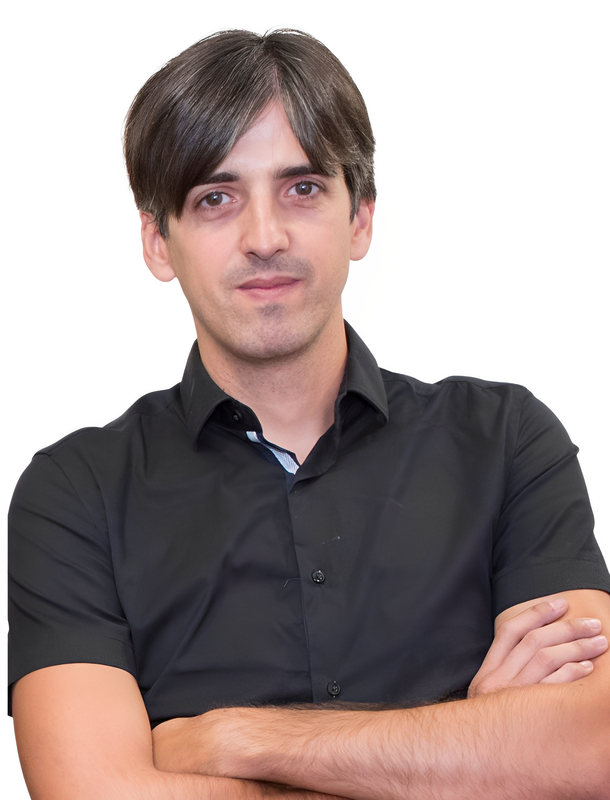
I am pleased to introduce Ivan Borrego Valverde, the Manager of Beauty Cluster Barcelona. With a wealth of experience in the beauty industry, Ivan leads the way in promoting collaboration and innovation within the cluster. It is my privilege to interview him today and delve into its fascinating world of beauty and fragrance. Additionally, Barcelona, known for its rich cultural heritage and vibrant atmosphere, finds itself on The Perfume Roads, a network of cities renowned for their contributions to the perfume industry. Let's embark on this journey together as we uncover the insights and expertise of Ivan Borrego Valverde.
Can you tell us about the upcoming Barcelona Perfumery Congress? What can attendees expect from this event?
We are very excited about this edition of the Barcelona Perfumery Congress. It is the fifth edition and, for the first time, we will also have an exhibition area with more than 40 companies and several sensory experiences for visitors. The visitor will be able to enjoy quality content on olfactory science, innovation, trends, new launches of natural and sustainable raw materials from suppliers. There will also be several parallel events such as a regulatory summit on fragrances and the presentation of awards such as the New Luxury Awards or the Barcelona Perfumery Awards. Two very complete days of content, networking and learning and business opportunities.
What inspired you to organize this congress in Barcelona? How does it contribute to the perfume industry in the region?
Spain is the world's second largest exporter of perfumes and fragrances. Approximately 60% of all these companies are located around Barcelona. Many others in Valencia and Murcia, which are geographically very close and share the tradition of the Mediterranean arc. There is also a lot of research and innovation in the olfactory field in Spain, so we thought that a biannual event in which the industry could meet, share and connect and that was international so that all our partners, friends and those interested in connecting with the sector in Spain could participate.
In comparison to France, what unique advantages does Barcelona offer for the beauty industry? How does Spain stand out in terms of perfume and cosmetics?
Each country has its own perfume heritage and competitive advantages. Products were already manufactured in Spain during the time of classical Rome. We have great perfumers in Spain, we have some of the main distributors of raw materials for perfumery and many innovative, dynamic fragrance houses that serve a growing local industry. In addition, there is at the same time a great boom of signature perfume brands in Barcelona along with a large number of biotechnological research companies that contribute innovation to Spanish cosmetics and perfumery. Barcelona is currently a hub for digital startups, biotechnology research companies and new cosmetics and perfumery brands, making it a good breeding ground for the growth of the sector.
Could you share some insights into the current trends and challenges in the perfume industry? How does the congress address these issues?
To bring knowledge about new trends we work in tandem with the best trend analysis companies. In this case, during the congress we will have Mintel who will tell us about how they are evolving and what the most interesting trends in cosmetics, perfumery and personal care will be. There are some interesting trends for the coming years such as 'Sophisticated Simplicity', the hybridization of physical products with digital experiences through AI or the creation of new olfactory products with health applications thanks to the evolution of neuroscience. Topics of this type will be discussed during the Barcelona Perfumery Congress.
How do you envision the future of the beauty industry, particularly in terms of sustainability and ethical practices?
Optimistically. In recent years, many initiatives have emerged that seek to achieve a more sustainable industry. At the same time, regulation in Europe (although sometimes too chaotic) is also pushing towards greater sustainability of our sector (and other sectors). There is still a long way to go, but in Europe we can be pioneers. Although we must be careful because in the short term many of these initiatives will make us less competitive, although much more competitive in the long term.
What role does the Beauty Cluster play in supporting small and medium-sized enterprises (SMEs) in the perfumery sector?
We are truly committed to helping small businesses. For example, we work with the most innovative startups to give them visibility in the sector and space at events such as our Beauty Innovation Days. We have also now created a mentoring program for emerging cosmetics and perfumery brands, which can benefit from all the knowledge in the cluster ecosystem. The vast majority of Spanish industry is made up of SMEs, so the cluster in its decision-making, its Governing Board and in its projects is usually oriented towards this type of smaller company.
Are there any notable speakers or workshops lined up for the Barcelona Perfumery Congress that you would like to highlight?
Many, although there are always some that make us especially excited due to their scientific content (The role of scent in the innovation of consumer packaged goods: a Historical view. Franco Doro, Consultant - FD-Innov / Dr. Olivier David, - Université de Versailles ), trends (Emerging trends in body&skincare market, Adrián Argente, Senior Perfumery Marketing - Scentmate by dsm-Firmenich), regulation (Fragrance Regulatory Summit organized by AEFAA and Stanpa), retail (roundtable with some of the most interesting perfume store chains from Spain ), technical (Sensory evaluation of solid formulation based on encapsulated aromatic natural extract obtained through supercritical CO2 extraction, Lorena Rodríguez, Project Manager in Microencapsulation Technologies - AINIA), Françoise Rapp (Demystifying Natural Perfume Production - IPF) and many more about Artificial Intelligence for perfumery, Olfactory Enrichment, Smell in Roman Times.. .
As the Manager of Beauty Cluster, what are your goals and vision for the future of the organization?
We need to be useful for the entire industry, throughout its value chain. We work from humility, professionalism, dynamism, and the desire to do different things that add value to our sector. We have grown a lot to reach 240 associated companies and now it is important that our projects and their positive impact grow for a more competitive, more sustainable, and much more collaborative and interconnected industry.
Thank you Ivan Borrego Valverde for this interview and for your amazing work to preserve the Spanish Perfume Heritage, let's all meet in Barcelona!
Can you tell us about the upcoming Barcelona Perfumery Congress? What can attendees expect from this event?
We are very excited about this edition of the Barcelona Perfumery Congress. It is the fifth edition and, for the first time, we will also have an exhibition area with more than 40 companies and several sensory experiences for visitors. The visitor will be able to enjoy quality content on olfactory science, innovation, trends, new launches of natural and sustainable raw materials from suppliers. There will also be several parallel events such as a regulatory summit on fragrances and the presentation of awards such as the New Luxury Awards or the Barcelona Perfumery Awards. Two very complete days of content, networking and learning and business opportunities.
What inspired you to organize this congress in Barcelona? How does it contribute to the perfume industry in the region?
Spain is the world's second largest exporter of perfumes and fragrances. Approximately 60% of all these companies are located around Barcelona. Many others in Valencia and Murcia, which are geographically very close and share the tradition of the Mediterranean arc. There is also a lot of research and innovation in the olfactory field in Spain, so we thought that a biannual event in which the industry could meet, share and connect and that was international so that all our partners, friends and those interested in connecting with the sector in Spain could participate.
In comparison to France, what unique advantages does Barcelona offer for the beauty industry? How does Spain stand out in terms of perfume and cosmetics?
Each country has its own perfume heritage and competitive advantages. Products were already manufactured in Spain during the time of classical Rome. We have great perfumers in Spain, we have some of the main distributors of raw materials for perfumery and many innovative, dynamic fragrance houses that serve a growing local industry. In addition, there is at the same time a great boom of signature perfume brands in Barcelona along with a large number of biotechnological research companies that contribute innovation to Spanish cosmetics and perfumery. Barcelona is currently a hub for digital startups, biotechnology research companies and new cosmetics and perfumery brands, making it a good breeding ground for the growth of the sector.
Could you share some insights into the current trends and challenges in the perfume industry? How does the congress address these issues?
To bring knowledge about new trends we work in tandem with the best trend analysis companies. In this case, during the congress we will have Mintel who will tell us about how they are evolving and what the most interesting trends in cosmetics, perfumery and personal care will be. There are some interesting trends for the coming years such as 'Sophisticated Simplicity', the hybridization of physical products with digital experiences through AI or the creation of new olfactory products with health applications thanks to the evolution of neuroscience. Topics of this type will be discussed during the Barcelona Perfumery Congress.
How do you envision the future of the beauty industry, particularly in terms of sustainability and ethical practices?
Optimistically. In recent years, many initiatives have emerged that seek to achieve a more sustainable industry. At the same time, regulation in Europe (although sometimes too chaotic) is also pushing towards greater sustainability of our sector (and other sectors). There is still a long way to go, but in Europe we can be pioneers. Although we must be careful because in the short term many of these initiatives will make us less competitive, although much more competitive in the long term.
What role does the Beauty Cluster play in supporting small and medium-sized enterprises (SMEs) in the perfumery sector?
We are truly committed to helping small businesses. For example, we work with the most innovative startups to give them visibility in the sector and space at events such as our Beauty Innovation Days. We have also now created a mentoring program for emerging cosmetics and perfumery brands, which can benefit from all the knowledge in the cluster ecosystem. The vast majority of Spanish industry is made up of SMEs, so the cluster in its decision-making, its Governing Board and in its projects is usually oriented towards this type of smaller company.
Are there any notable speakers or workshops lined up for the Barcelona Perfumery Congress that you would like to highlight?
Many, although there are always some that make us especially excited due to their scientific content (The role of scent in the innovation of consumer packaged goods: a Historical view. Franco Doro, Consultant - FD-Innov / Dr. Olivier David, - Université de Versailles ), trends (Emerging trends in body&skincare market, Adrián Argente, Senior Perfumery Marketing - Scentmate by dsm-Firmenich), regulation (Fragrance Regulatory Summit organized by AEFAA and Stanpa), retail (roundtable with some of the most interesting perfume store chains from Spain ), technical (Sensory evaluation of solid formulation based on encapsulated aromatic natural extract obtained through supercritical CO2 extraction, Lorena Rodríguez, Project Manager in Microencapsulation Technologies - AINIA), Françoise Rapp (Demystifying Natural Perfume Production - IPF) and many more about Artificial Intelligence for perfumery, Olfactory Enrichment, Smell in Roman Times.. .
As the Manager of Beauty Cluster, what are your goals and vision for the future of the organization?
We need to be useful for the entire industry, throughout its value chain. We work from humility, professionalism, dynamism, and the desire to do different things that add value to our sector. We have grown a lot to reach 240 associated companies and now it is important that our projects and their positive impact grow for a more competitive, more sustainable, and much more collaborative and interconnected industry.
Thank you Ivan Borrego Valverde for this interview and for your amazing work to preserve the Spanish Perfume Heritage, let's all meet in Barcelona!
 RSS Feed
